


Wedding Law Reform for Wedding Venues: What the consultation means for you
If you run a wedding venue, you may have seen the headlines about the biggest shake-up of wedding law in almost 200 years. On 16 July 2026, the Ministry of Justice launched its Tying the Knot consultation, seeking views on how to reform weddings law in England and Wales. For venues (particularly those that don’t currently hold a civil ceremony licence), this consultation is worth paying close attention to, because the proposed changes could open up legal wedding hosting to a wide range of different locations.
In this blog, we set out what wedding law reform means for wedding venues specifically, and how to make sure your voice is heard before the consultation closes.
Why is wedding law being reformed?
The current legal framework governing weddings in England and Wales dates back to the 19th century and is built around a patchwork of rules that apply inconsistently depending on faith, belief and circumstance. This creates restriction and confusion for couples who wish to hold a marriage ceremony in a location, style and format meaningful to them.
One of the biggest issues for couples is the lack of choice when it comes to where they can hold a legally binding marriage ceremony and who can conduct it. With increasing demand for personalisation and freedom of expression, many couples now work with celebrants to craft unique and meaningful ceremonies which can be held in any location they choose, but this currently means they have to separate out their legal marriage from the day they consider as their actual wedding.
To address this and many other issues with the current law, the Government asked the Law Commission of England and Wales to conduct a review into our wedding laws and seek to find improvements. In 2022, the Law Commission published its report, Celebrating Marriage: A New Weddings Law, concluding that the system was “inconsistent and complicated, inefficient, unfair and needlessly restrictive“. Then in October 2025, the Government formally committed to reform, and this July it opened the public consultation that will shape the detail of the new law.
What’s changing for venues?
The single biggest shift proposed is a move away from regulating where a wedding happens, towards regulating who conducts it.
At present, a legally binding marriage ceremony can only take place in a location that holds the relevant licence or approval, whether that’s a register office, a place of worship or a venue with an approved premises civil ceremony licence. But under the reformed system, the legal responsibility would sit with an authorised officiant rather than the building, meaning a much wider range of locations could host legally binding ceremonies, provided they meet standards of being “appropriate and dignified“.
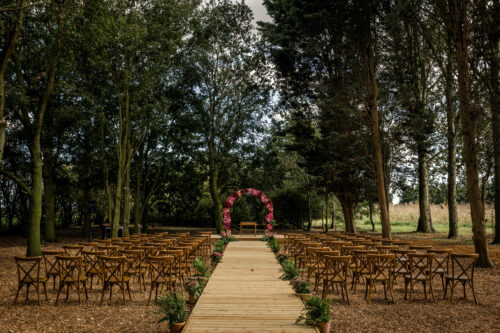
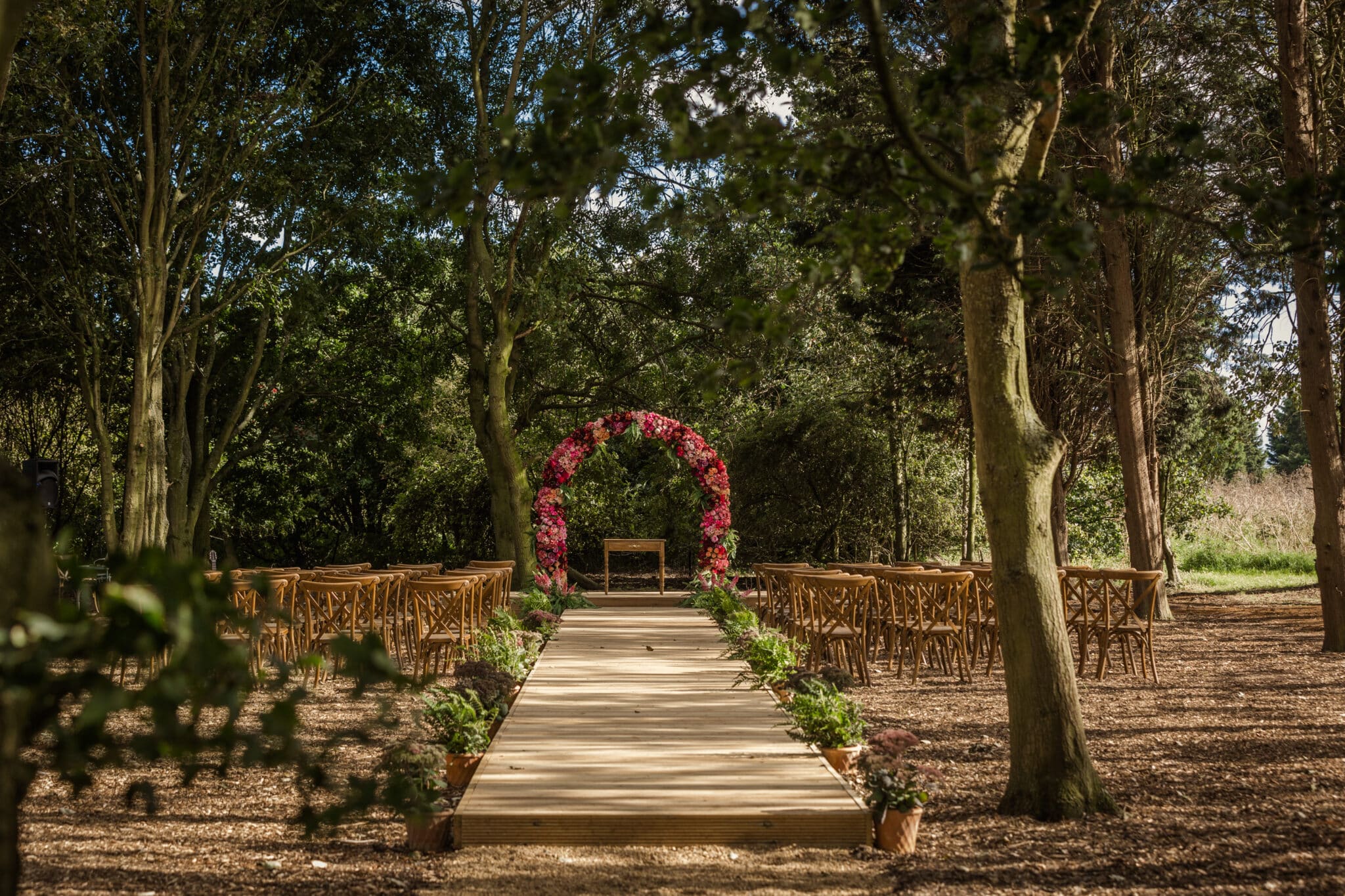
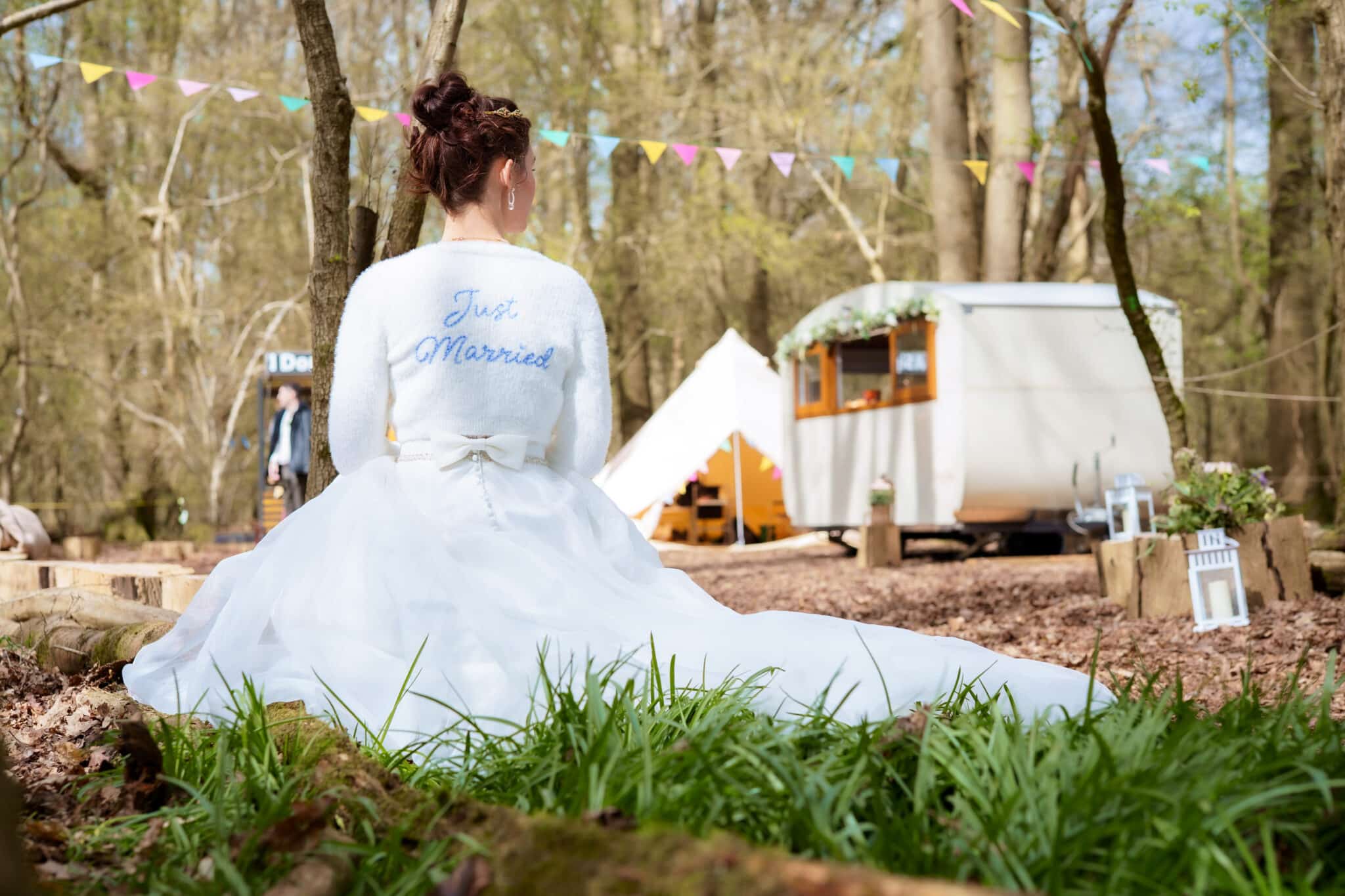
For venues that don’t currently hold a civil ceremony licence, this is great news. Outdoor spaces such as gardens, woodlands and fields that are currently limited to hosting non-legal ceremonies and celebrations could host the whole event. That removes a real barrier for couples who want a single venue for the day, and it opens a revenue stream to venues that have previously been excluded from the legal ceremony market entirely.
Furthermore, if celebrants are given the green light to officiate legally binding marriages (as the Government proposes), this would mean that couples could have a fully personalised and legally binding ceremony at any location they choose. For the multitude of outdoor wedding venues that currently host celebrant-led ceremonies, this is very welcome news.
The Ministry of Justice’s own assessment estimates the reforms could add £535 million to the economy over 10 years, support around 1,800 more businesses and create up to 12,000 jobs (MoJ, 2025). Much of that growth is expected to come from venues, caterers and suppliers who currently sit outside the licensed venue system.
What venues need to bear in mind
It’s worth being clear with couples and colleagues that nothing has changed yet. The consultation is exactly that: a consultation. Current law still applies in full, meaning legal weddings must still take place in a licensed venue, a registered place of worship or a register office. Draft legislation will only follow once the consultation closes and the Government has responded, and it will be introduced “when parliamentary time allows“, so there’s no confirmed date for when any of this becomes law.
It’s also worth noting that the exact standards a venue would need to meet for the officiant to deem it “appropriate and dignified” have not yet been defined. That detail is precisely what this consultation is trying to establish, which is why venue input matters.
For wedding venues, Chapters 4 and 5 of the consultation are key areas of focus:
Chapter 4 sets out what the Government calls “The Dignity Framework”, explaining how they propose to give couples “greater choice about the ceremony through which they enter into marriage, while upholding the solemnity, legality and social importance of the marriage itself“. Under the new laws, it would be up to the couple’s chosen officiant to determine whether a venue was dignified enough for a marriage ceremony to take place, once this framework has been established.
Chapter 5 seeks views on the pre-authorisation of venues, weddings in private homes and weddings on water. Although the new laws would do away with the current venue licensing system, it is proposed that venues could apply for pre-authorisation so that they don’t have to be checked by an officiant every time a couple wishes to marry there. This would be welcome news for more established wedding venues that already hold a civil ceremony licence.

How to respond to the consultation
The consultation, Tying the Knot: Reforming Weddings Law in England and Wales, closes at 11:59am on 24 September 2026. There are two ways to respond:
– Online, via the consultation response form on the Ministry of Justice’s consultation hub
– By email, to weddingslawconsultation@justice.gov.uk
The full 100-page consultation document is available on GOV.UK, alongside the accompanying impact assessment and equality impact assessment, and is worth reading in full if you have the time, or at least skimming the sections relevant to venue standards and transitional arrangements.
For venue owners, a few things are worth including in your response:
– Set out your current position clearly. Explain whether you hold a civil ceremony licence now and, if not, what has stopped you from applying (cost, structural requirements, timing, or the type of space you operate). This kind of first-hand evidence is exactly what the Government needs to understand where the current system creates unnecessary barriers.
– Comment on what “appropriate and dignified” should mean in practice for a space like yours. If you operate outdoors, in a marquee, or in a converted agricultural building, you’re well placed to say what reasonable standards should look like, and what would be disproportionate.
– Give a view on transitional arrangements. Venues that invest in infrastructure or staff training in anticipation of reform will want some clarity on timing, so it’s worth flagging any practical concerns about how a changeover would work.
– Keep your response focused and specific. Consultations of this kind are more useful to policymakers when responses are grounded in real operational detail rather than general support or opposition.
The bottom line
For wedding venues without an existing civil ceremony licence, this wedding law reform could eventually mean the difference between offering part of a wedding day and offering the whole thing. But the shape of the final law is still being decided, and this consultation is the industry’s best chance to influence it.
So if you have views on how the new rules should work for venues like yours, now is the time to put them in writing before the window closes on 24 September 2026.